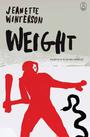
Now that all the others have run out of air, it's my turn to do a little story-making.
 In Homer's account in The Odyssey, Penelope - wife of Odysseus and cousin of the beautiful Helen of Troy - is portrayed as the quintessential faithful wife, her story a salutary lesson through the ages. Left alone for twenty years when Odysseus goes off to fight in the Trojan War after the abduction of Helen, Penelope manages, in the face of scandalous rumors, to maintain the kingdom of Ithaca, bring up her wayward son, and keep over a hundred suitors at bay, simultaneously. When Odysseus finally comes home after enduring hardships, overcoming monsters, and sleeping with goddesses, he kills her suitors and - curiously - twelve of her maids.
In a splendid contemporary twist to the ancient story, Margaret Atwood has chosen to give the telling of it to Penelope and to her twelve hanged maids, asking: "What led to the hanging of the maids, and what was Penelope really up to?" In Atwood's dazzling, playful retelling, the story becomes as wise and compassionate as it is haunting, and as wildly entertaining as it is disturbing. With wit and verve, drawing on the story-telling and poetic talent for which she herself is renowned, she gives Penelope new life and reality - and sets out to provide an answer to an ancient mystery.
About the author:
Margaret Atwood (born 1939) is a Canadian poet, novelist, literary critic, essayist, inventor, teacher, and environmental activist.
Throughout her writing career, Margaret Atwood has received numerous awards and honorary degrees. She is the author of more than thirty-five volumes of poetry, children’s literature, fiction, and non-fiction and is perhaps best known for her novels, which include The Edible Woman (1970), The Handmaid's Tale (1983), The Robber Bride (1994), Alias Grace (1996), and The Blind Assassin, which won the prestigious Booker Prize in 2000.
Her work has been published in over forty countries.
Similar books: